From brand breakthrough to consumer experience: how glass bottle customization becomes the "second business card" of enterprises
In today's increasingly fierce competition on shelves, consumers often judge people based on their appearance, and the first impression of a product directly determines their desire to purchase. For alcoholic beverages, seasonings, skincare products, and high-end drinks, glass bottles have long surpassed their simple "container" attributes and evolved into silent salespeople and the most intuitive "second business card" for brands.
1. Visual Hammer: Seize the user's mind with unique bottle shapes
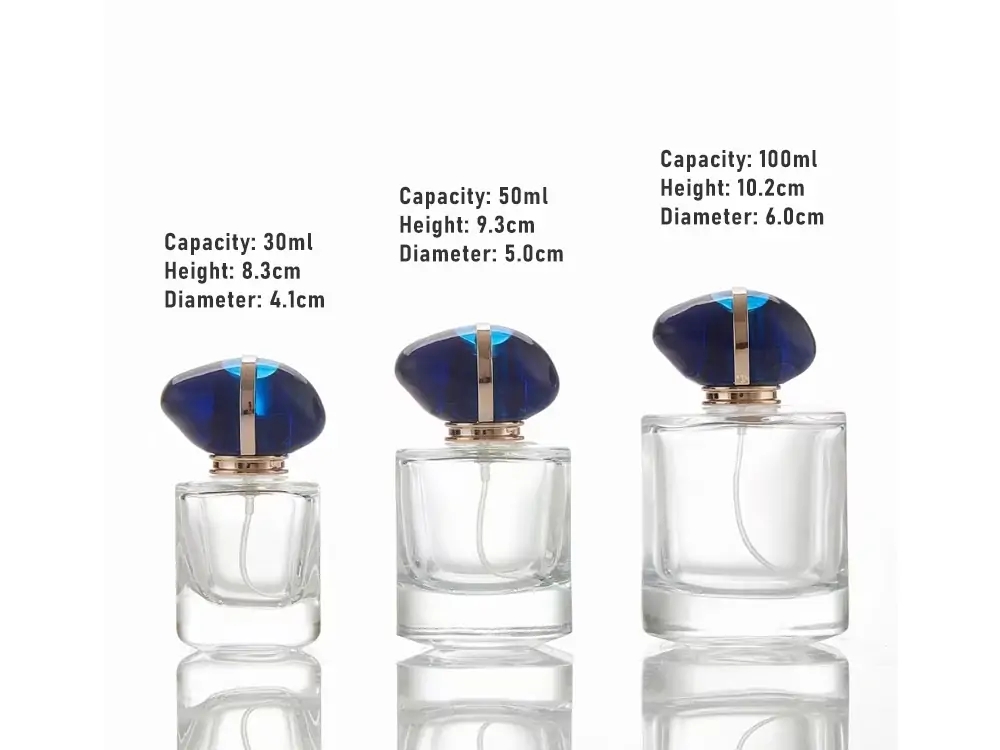
Why is the transparent glass bottle of Absolut Vodka a classic? Why are many high-end perfume bottles unforgettable? The answer lies in the "visual hammer" effect. Customized glass bottles allow companies to break free from the limitations of standardized molds and instantly capture consumers' attention on shelves through unique contours, smooth lines, or biomimetic designs. A highly recognizable bottle shape that consumers can immediately associate with the brand without even looking at the logo.
2. Touch and Texture: Conveying Brand Temperature
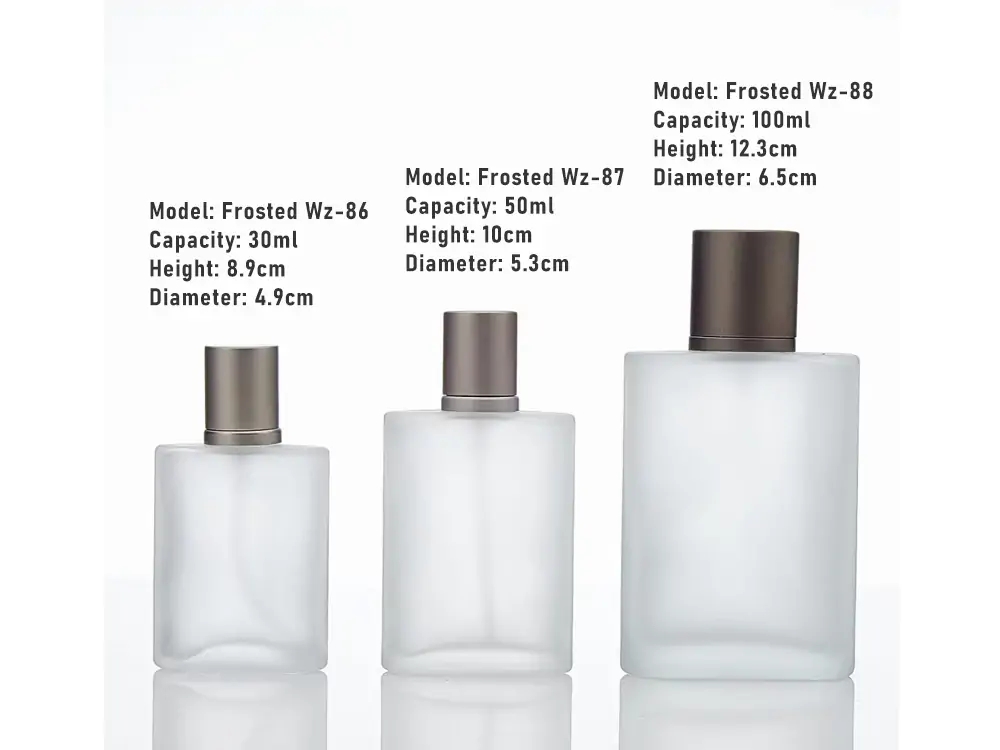
Glass material itself has an irreplaceable texture. Through customization, companies can choose high transparency materials, white materials, or even colored glass to convey different emotions: dark glass represents calmness and protection, frosted texture conveys high-end and privacy, while crystal clear ultra white glass highlights purity and quality. When consumers hold the bottle, the curvature of the bottle shoulder and the heaviness of the bottle bottom silently express the brand's pursuit of details.
3. Process Empowerment: Empowering Packaging to Speak
The modern glass bottle customization process provides unlimited possibilities for brand expression. Screen printing can permanently imprint the brand logo on the bottle body; The grilling technique can present delicate gradient colors; And spraying and electroplating techniques can give a luxurious feeling like glass and metal. Even through three-dimensional techniques such as internal carving and relief carving, the brand story can be presented in three dimensions.
4. Secondary Utilization: Extending the Brand Lifecycle
Excellent customized glass bottle design takes into account consumers' "secondary use" needs. A uniquely shaped honey jar that can be turned into a vase after consumption; A well-designed Western wine bottle is an excellent storage container after drinking. This "sustainable" packaging mindset not only caters to the current environmental trend, but also allows brands to continue to stay in consumers' lives in another form, forming a long tail communication.
Conclusion
Customizing glass bottles is essentially a material extension of the brand concept. It is not just a container for products, but also a bridge connecting brands and consumer emotions. In the context of consumer upgrading, being willing to invest ingenuity in packaging is like being willing to plant the seeds of a brand in the hearts of consumers.